
What Is Hair Transplantation?
Hair transplantation is a medical procedure that moves hair from one part of the body to an area with thinning or no hair. Usually, doctors take hair from the back or sides of the scalp. Then, they place it where hair loss has happened. Many people choose hair transplantation to treat baldness or thinning hair. This treatment can help both men and women. As a result, hair transplantation has become a popular option for those seeking a fuller head of hair.
Who Is a Suitable Candidate for Hair Transplantation?
Not everyone is a good fit for hair transplantation. However, many people with hair loss may benefit. Doctors look for certain signs to decide if someone is a suitable candidate. For example, you may be a good candidate if you:
On the other hand, people with widespread hair loss or certain medical conditions may not be suitable. Therefore, it is important to talk with a doctor about your options.
How Is Suitability Determined?
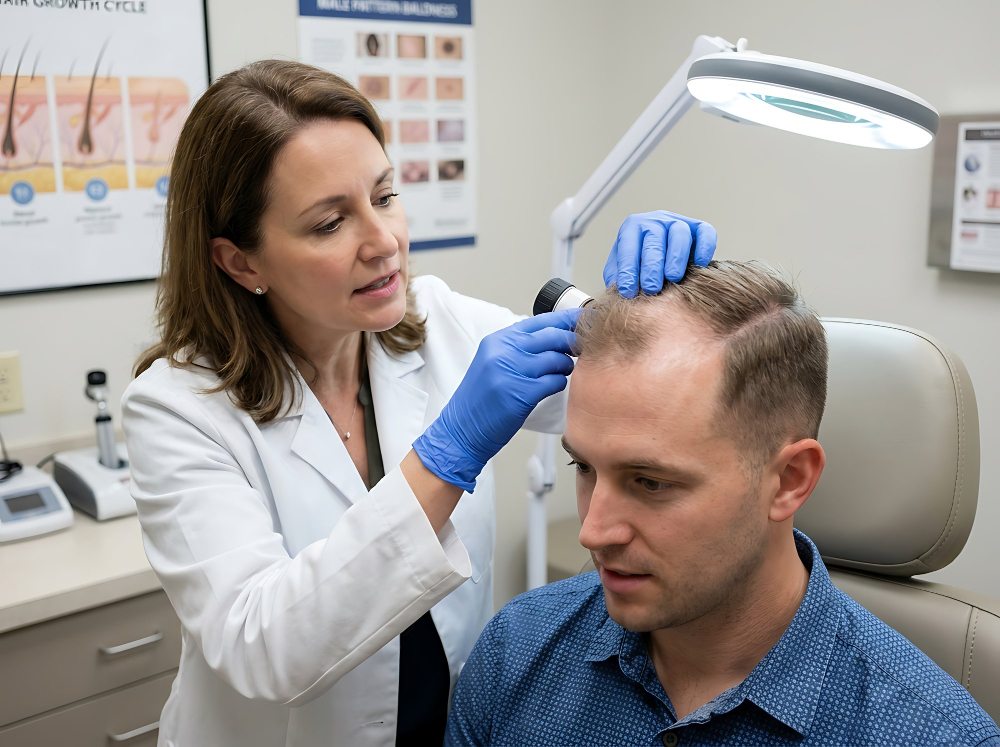
Doctors use several steps to check hair transplant candidacy. First, they review your medical history. Next, they examine your scalp and hair. During this visit, they may ask about your hair loss pattern and family history. In some cases, blood tests or scalp biopsies are needed. These steps help doctors decide if you are a good fit for hair transplantation. As a result, you get a treatment plan that matches your needs.
What Results Can You Expect from Hair Transplantation?
Many people want to know what to expect after hair transplant surgery. While results vary, most people see new hair growth within a few months. At first, the transplanted hair may fall out. However, this is normal and new hair should start to grow soon after. Over time, the new hair blends in with your natural hair. Most people notice fuller hair after 6 to 12 months. Although results are long-lasting, they may not be perfect. For example, hair may look thinner in some spots. Still, most people feel more confident after the procedure.
Factors Affecting Hair Transplant Outcomes
Several factors can affect hair transplant results. For instance, the skill of the surgeon plays a big role. In addition, your age, hair type, and the amount of donor hair matter. Other factors include:
Because of these factors, results can differ from person to person. Therefore, it is important to discuss your goals and concerns with your doctor before the procedure.
Frequently Asked Questions About Hair Transplantation
Many people have questions about hair transplantation. Here are answers to some common questions:
If you want to know more about hair transplantation, talk with a qualified doctor. They can help you decide if this treatment is right for you.