Pigmentation & Melasma Treatment
Understanding Skin Pigmentation and Melasma
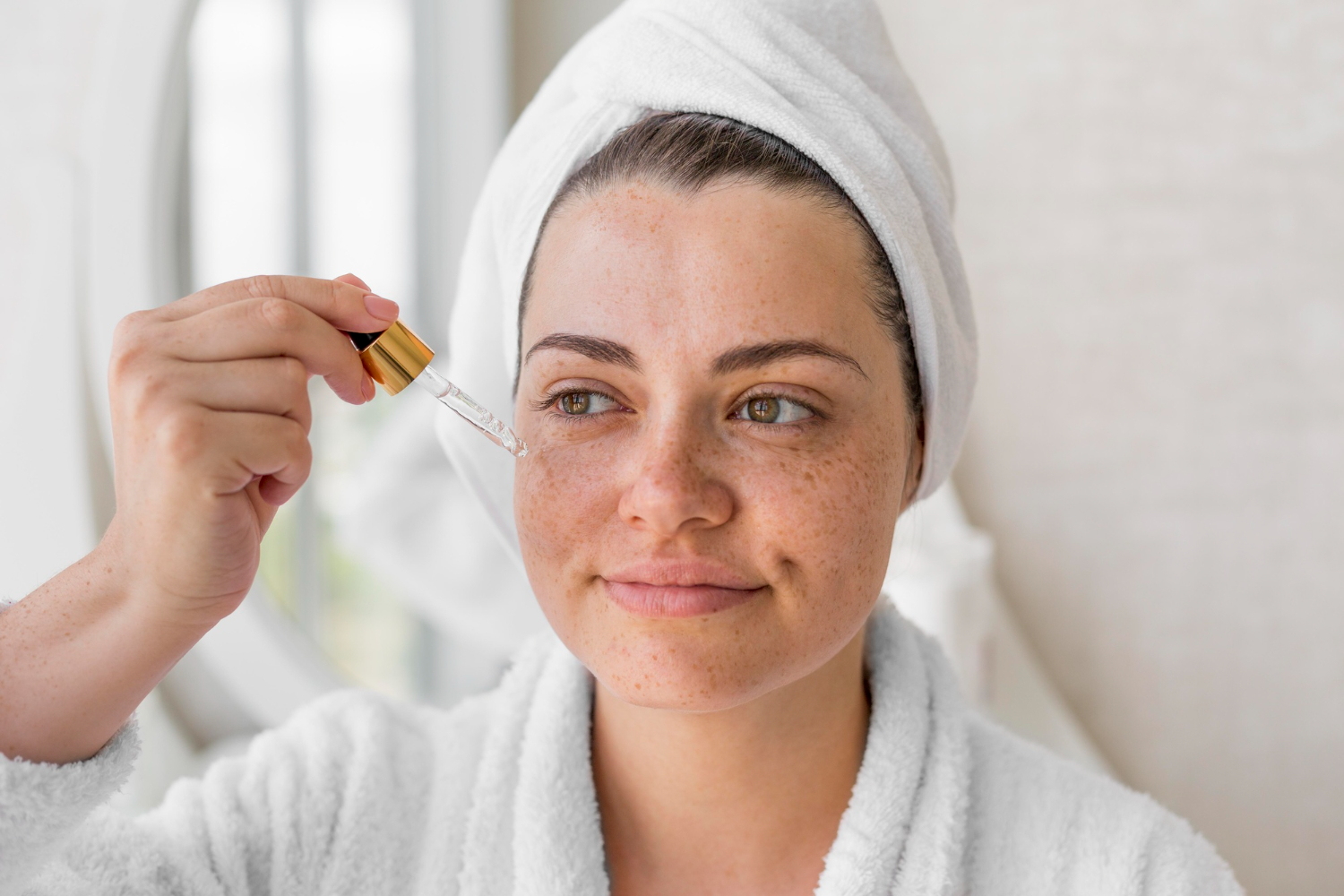
Skin pigmentation occurs when melanin, the natural pigment responsible for skin colour, is produced unevenly or accumulates in certain areas. This can result in dark spots, patches and uneven skin tone.
Melasma is a common pigmentation condition that usually appears as brown or greyish patches, particularly on the cheeks, forehead, upper lip and other sun-exposed areas.
At POSH Aesthetic Dermatology Clinic, Dr. M. Raju provides dermatological evaluation and guidance for individuals experiencing pigmentation and melasma concerns.
Common Causes of Pigmentation
Several factors can contribute to changes in skin pigmentation:
Excessive exposure to ultraviolet radiation.
Hormonal changes and fluctuations.
Post-inflammatory pigmentation following acne or skin injuries.
Genetic predisposition.
Certain medications and skin conditions.
Age-related changes in skin appearance.
Common Types of Pigmentation
Melasma: Usually appears as symmetrical brown or greyish patches on the face and may be influenced by hormonal and environmental factors.
Post-Inflammatory Hyperpigmentation: Dark marks that develop following acne, eczema, injuries or other inflammatory skin conditions.
Sunspots: Darkened areas associated with prolonged sun exposure.
Uneven Skin Tone: Areas of skin that appear darker or lighter than the surrounding complexion.
Pigmentation Treatment Options
Treatment depends on the underlying cause, pigmentation depth and individual skin type. Following a dermatological assessment, suitable options may include:
Prescription-based topical treatments.
Medical-grade skincare products.
Chemical peels for selected pigmentation concerns.
Laser-based procedures where appropriate.
Sun protection and preventive skincare guidance.
The Importance of Sun Protection
Sun exposure can worsen many pigmentation conditions, particularly melasma. Consistent sun protection plays an important role in pigmentation management.
Helpful practices include:
Using dermatologist-recommended sunscreen.
Reapplying sunscreen as advised.
Wearing protective clothing and hats.
Avoiding unnecessary direct sun exposure.
Following a suitable skincare routine.
Personalized Pigmentation Management
Pigmentation may require ongoing care, and results vary depending on the condition and treatment response. At POSH Aesthetic Dermatology Clinic, the focus is on identifying the cause and recommending appropriate treatment options.
Consult Dr. M. Raju for professional guidance on melasma, dark spots and other pigmentation concerns.
Other Services
Begin Your Skin & Hair Care Journey
Get expert dermatological guidance and personalized treatment options for healthier skin and hair.